The Underrated Power of Tangible Stationery
In an era dominated by cloud storage, instant messaging, and digital project management suites, the humble notepad remains a steadfast pillar of the professional environment.
While software offers speed, the physical act of putting pen to paper provides a tactile experience that digital interfaces struggle to replicate.
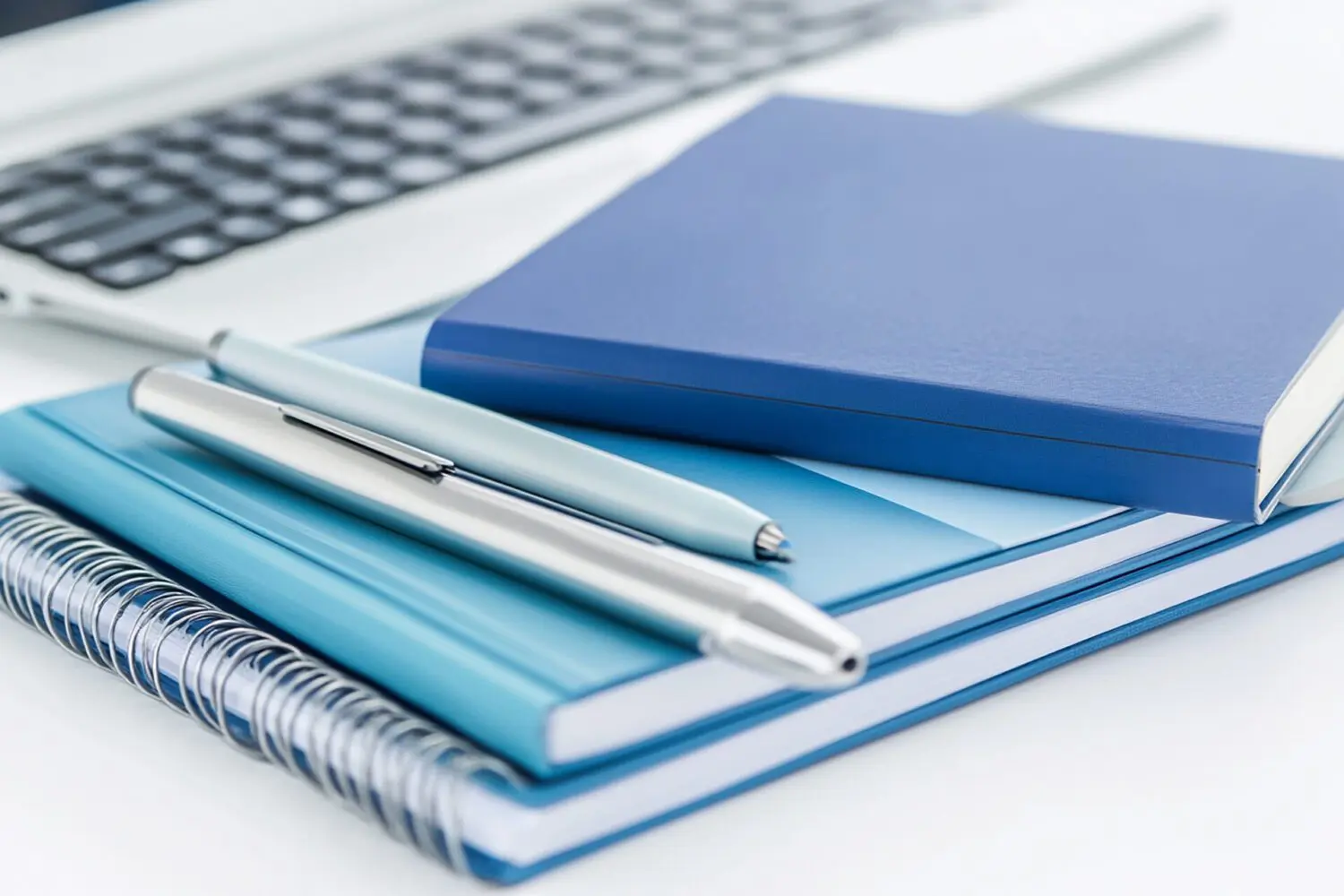
Printed notepads are not merely stacks of paper bound together; they are blank canvases for innovation and essential tools for daily mental organization.
The presence of a high quality notepad on a desk serves as a constant invitation to capture fleeting thoughts. Unlike a smartphone or tablet, a notepad requires no login, suffers from no battery depletion, and presents no distracting notifications.
This immediacy is why many top executives and creative professionals still rely on physical stationery to ground their daily operations. When businesses invest in these tools, they are investing in the clarity and focus of their workforce.
Cognitive Benefits of Handwriting Over Digital Input
Scientific research consistently highlights the neurological advantages of handwriting. When an individual writes by hand, the brain engages in a complex process known as encoding.
This process involves the motor cortex and the sensory systems in a way that typing does not. As a result, information recorded on printed notepads is often retained longer and understood more deeply than notes taken on a keyboard.
Handwriting forces the brain to summarize and paraphrase information in real time because humans generally write slower than they type. This synthesis of information leads to better conceptual understanding.
In a high stakes meeting, a team member using a notepad is more likely to grasp the nuances of a project than someone transcribing every word verbatim into a laptop. This cognitive engagement is a primary driver of office productivity that often goes unnoticed in the push for total digitalization.
Enhancing Workflow Through Structured Note Taking
Productivity is rarely about working harder; it is about working smarter. Custom printed notepads can be designed with specific layouts that guide the user toward better organization. For example, incorporating sections for action items, follow up dates, and top priorities can transform a simple piece of paper into a sophisticated management tool.
When a company sources their stationery from a specialist like Totally Branded, they have the opportunity to create bespoke layouts that mirror their internal workflows. This level of customization ensures that every note taken is aligned with the company’s specific goals.
By providing employees with a structured place to dump their mental load, businesses reduce the cognitive stress associated with multitasking. A clear desk often leads to a clear mind, and a well organized notepad is the centerpiece of that environment.
The Psychology of Brand Recall and Physical Presence
Brand recall is built on the foundation of frequency and consistency. In the marketing world, the rule of seven suggests that a prospect needs to see a brand at least seven times before they truly recognize and trust it. Printed notepads offer a unique advantage in this regard because they occupy prime real estate on a customer’s or employee’s desk for weeks or even months.
Every time a client reaches for a pen to jot down a phone number or a quick reminder, they are interacting with the company’s visual identity. This passive exposure is incredibly powerful.
Unlike a digital ad that disappears with a click, a physical notepad remains visible. When considering Everyday Essentials: How Printed Notepads Boost Office Productivity and Brand Recall, it becomes clear that the physical nature of the product creates a lasting neurological link between the user and the brand.
Utilizing a partner like Totally Branded ensures that the print quality and color accuracy reflect the high standards of the business, further reinforcing positive brand perception.
Strategic Design Elements for Professional Notepads
Designing an effective notepad requires a balance between aesthetics and utility. If the branding is too large or intrusive, it leaves little room for writing, rendering the tool useless. Conversely, if the branding is too subtle, the marketing benefit is lost. The most successful designs utilize the margins and headers to display logos and contact information while leaving the central area clean for user input.
1. Use subtle watermarks that do not interfere with ink legibility.
2. Incorporate a grid or dot matrix pattern for those who prefer technical drawing or structured lists.
3. Ensure the paper weight is sufficient to prevent ink bleed through, typically 90gsm or higher.
4. Include social media handles or a website URL in a small, elegant font at the footer.
5. Use brand colors for the lines or grids to create a cohesive look without being overwhelming.
Customization as a Tool for Internal Culture
Beyond external marketing, printed notepads play a significant role in fostering internal company culture. When employees are provided with high quality, branded tools, it instills a sense of belonging and professionalism. It signals that the company values quality and pays attention to the details of the daily work experience.
Internal notepads can also be used to reinforce company values or mission statements. Small reminders printed at the bottom of each page can keep the corporate vision top of mind during even the most mundane tasks. This subtle alignment helps in building a unified team that feels connected to the larger goals of the organization.
Sustainable Practices in Modern Stationery Production
As environmental consciousness grows, the demand for sustainable office supplies has surged. Businesses are now looking for ways to maintain their physical presence while minimizing their ecological footprint. Fortunately, modern printing technology allows for the production of eco friendly notepads that do not sacrifice quality.
1. Recycled paper stocks that offer a premium feel while saving trees.
2. Vegetable based inks that are less harmful to the environment than traditional petroleum based versions.
3. Carbon neutral shipping options provided by forward thinking suppliers.
4. Minimalist packaging that reduces waste during distribution.
By choosing sustainable options from providers like Totally Branded, companies can demonstrate their commitment to the planet. This not only appeals to environmentally conscious clients but also boosts employee morale, as modern workers increasingly prefer to work for socially responsible organizations.
Integrating Analog Tools into a Digital Ecosystem
The most productive offices do not choose between analog and digital; they integrate both. This hybrid approach allows for the flexibility of paper and the efficiency of software. Many professionals use printed notepads for initial brainstorming and rough sketches before moving the finalized ideas into a digital project management tool.
This transition from paper to screen acts as a natural filter. Only the best and most relevant ideas make it into the digital system, preventing the clutter that often plagues purely digital workflows.
Furthermore, many modern smartphone apps can now scan handwritten notes and convert them into searchable text, bridging the gap between the two worlds. When a company uses Totally Branded for their stationery needs, they are providing the first step in a sophisticated creative pipeline.
Maximizing Marketing Reach with Desktop Real Estate
A notepad is one of the few promotional items that is almost never thrown away immediately. Unlike flyers or brochures, a notepad has intrinsic value. This longevity ensures that the marketing message persists long after the initial point of contact. When distributed at trade shows or as part of a client welcome pack, notepads act as a silent brand ambassador.
Consider the journey of a single sheet of paper torn from a branded notepad. It might be handed to a colleague, pinned to a notice board, or taken home. Each movement of that paper represents a new opportunity for brand exposure. This viral nature of physical stationery provides a return on investment that far exceeds its initial cost.
The Long Term Value of Quality Office Essentials
Investing in premium stationery is a strategic move that pays dividends in both productivity and perception. A flimsy, poorly printed notepad can actually detract from a brand’s image, suggesting a lack of care or a preference for the cheapest option. On the other hand, a thick, smooth, and well designed notepad suggests reliability and excellence.
Quality stationery also improves the writing experience itself. The friction of a good pen on high quality paper is a sensory pleasure that can make the act of working more enjoyable. This might seem like a small detail, but in the aggregate, these small improvements to the work environment contribute to higher levels of job satisfaction and creative output. Totally Branded understands this intersection of quality and functionality, providing products that stand the test of time in a busy office setting.
Elevating the Everyday Through Thoughtful Stationery
The transformation of a simple office staple into a powerful tool for growth requires intentionality. By focusing on the intersection of cognitive science, design psychology, and brand strategy, businesses can unlock the full potential of their printed materials. These notepads are not just paper; they are the physical manifestations of a company’s commitment to organized thought and professional excellence.
As we look toward the future of work, the importance of grounding our digital lives with physical touchpoints will only grow. The notepad remains the most versatile, reliable, and accessible tool for human expression in the workplace.
By prioritizing high quality printed essentials, organizations ensure that their brand is not just seen, but held, used, and remembered every single day. The path to higher productivity and stronger brand recall is often found right on the surface of the desk, waiting for the next great idea to be written down.

Hello! I’m Clara Lexis, creator of Meanpedia.com. I specialize in breaking down words, phrases, and idioms so that anyone can understand and enjoy the beauty of English. My goal? Making language approachable, fun, and meaningful, one word at a time.