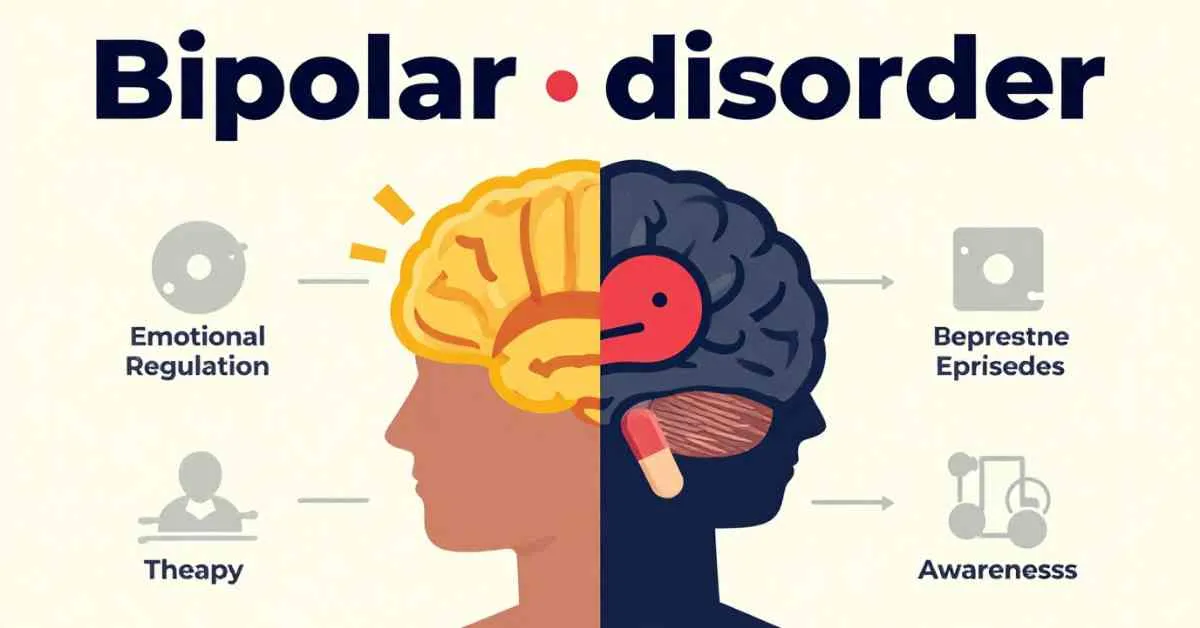
Have you ever asked yourself, “what does it mean to be bipolar?” Many people use the word “bipolar” without really knowing what it means. But bipolar disorder is not just a word—it is a serious mental health condition. It is a long-term mood disorder that affects how a person feels, thinks, and acts. People with bipolar disorder can have very high energy at some times and very low energy at others.
It is important to learn about bipolar disorder. This helps people who have it, their family and friends, and anyone who wants to stay mentally healthy. Not understanding it can cause mistakes, misunderstandings, and delay in getting help.
In this guide, we will explain what bipolar disorder is, its types, symptoms, causes, diagnosis, treatment, and ways to cope. You will also find practical tips to live a balanced and healthier life.
What is Bipolar Disorder?
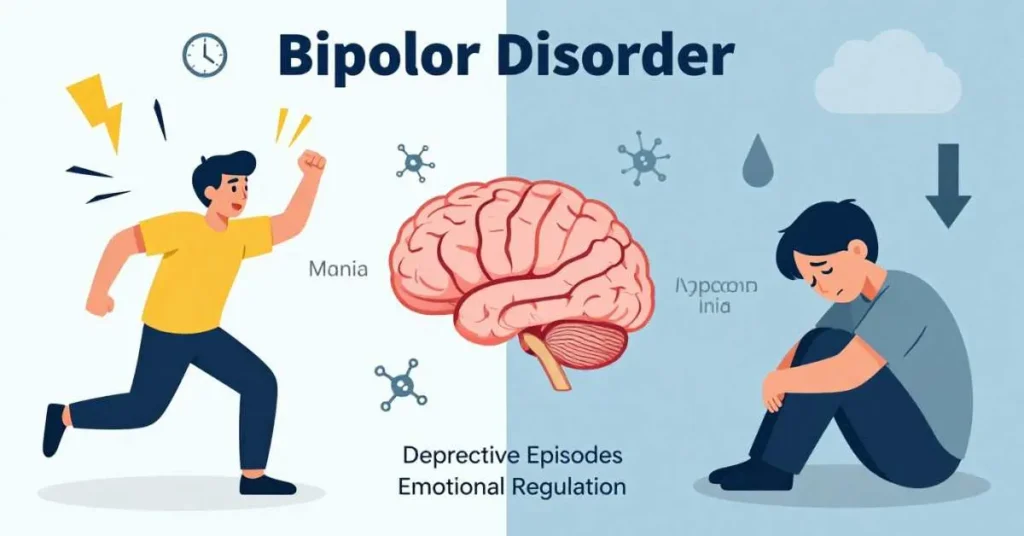
Bipolar disorder is a mental health condition that causes big changes in mood. People can feel very happy and full of energy, called mania or hypomania. During this time, they may have fast thoughts, get irritable, or do things that are risky.
They can also feel very sad and tired, called depressive episodes. During this time, they may have low energy, feel down, and lose interest in daily activities.
These mood swings are much stronger than normal feelings. They can make it hard to do well at work, keep good relationships, or manage daily tasks. Bipolar disorder is not a personality problem. It is a long-term mental health condition caused by brain chemistry, neurotransmitters, and genes.
Types of Bipolar Disorder
Bipolar disorder exists in different forms:
Bipolar I Disorder
People with Bipolar disorder experience at least one manic episode, which can severely disrupt daily functioning and sometimes require hospitalization. Depressive episodes may also occur.
Bipolar II Disorder
Bipolar II disorder includes hypomanic episodes and major depressive episodes. Hypomania is milder than mania but still changes energy levels, mood, and behavior.
Cyclothymic Disorder
Cyclothymic disorder causes mood swings that are mild but last a long time. These swings can make it hard to follow daily routines, take care of yourself, and get along with others.
Other Types
Some people have bipolar symptoms that do not fit neatly into these categories but still experience emotional instability
Signs and Symptoms of Bipolar Disorder
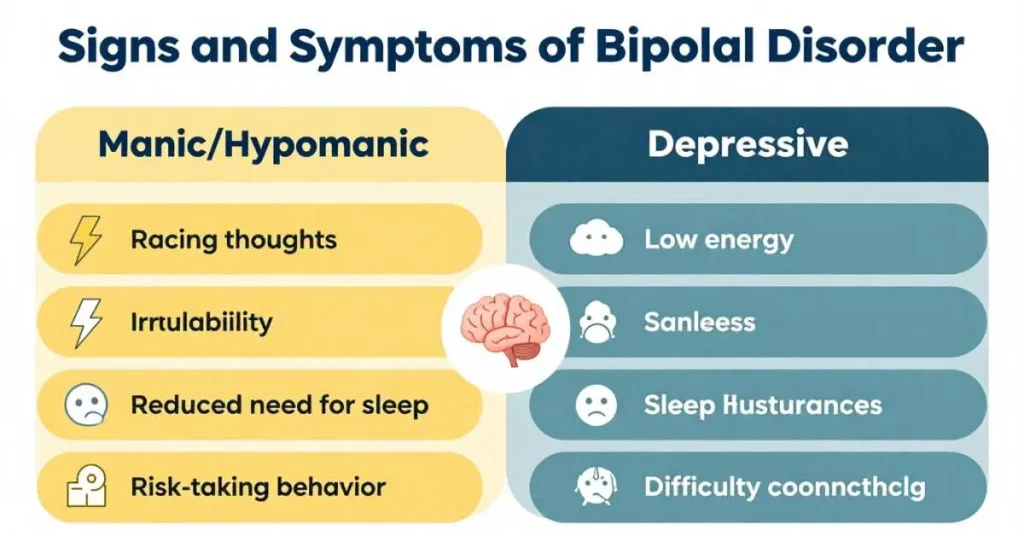
Recognizing signs of bipolar disorder is critical. Symptoms vary depending on the mood episode:
Mania
- High energy levels
- Racing thoughts
- Impulsivity and risk-taking behavior
- Sleep disturbances
- Irritability
Hypomania
- Mildly elevated mood
- Increased productivity
- Less severe than mania
Depressive Episodes
- Low energy and fatigue
- Loss of interest in activities
- Sadness or hopelessness
- Difficulty concentrating
Mood swings in bipolar disorder last longer and are more intense than normal emotions.
How Bipolar Disorder Impacts Mental Health and Emotional Wellbeing
Bipolar disorder can make your feelings go very high or very low. It can be hard to control your emotions. This can cause problems with friends, family, or at school. When someone has mania, they may have a lot of energy and do risky things. When they have depression, they may feel sad, tired, and not want to do things they used to enjoy.
These effects can reduce self-confidence, disrupt daily functioning, and affect work performance. Long-term untreated bipolar disorder may worsen mental wellness and increase stress. Finding bipolar disorder early and getting help from a doctor can make your mind feel better and help control mood ups and downs.
Causes and Risk Factors
Bipolar disorder arises from a mix of genetic, biological, and environmental factors:
- Genetic factors and family history increase susceptibility
- Differences in brain structure and neurotransmitters affect mood regulation
- Stress triggers, trauma, hormonal imbalances, and substance abuse can worsen symptoms
Knowing what causes bipolar disorder helps people understand it better and shows why it is important to get help from a mental health doctor.
The Link Between Bipolar Disorder and Brain Chemistry
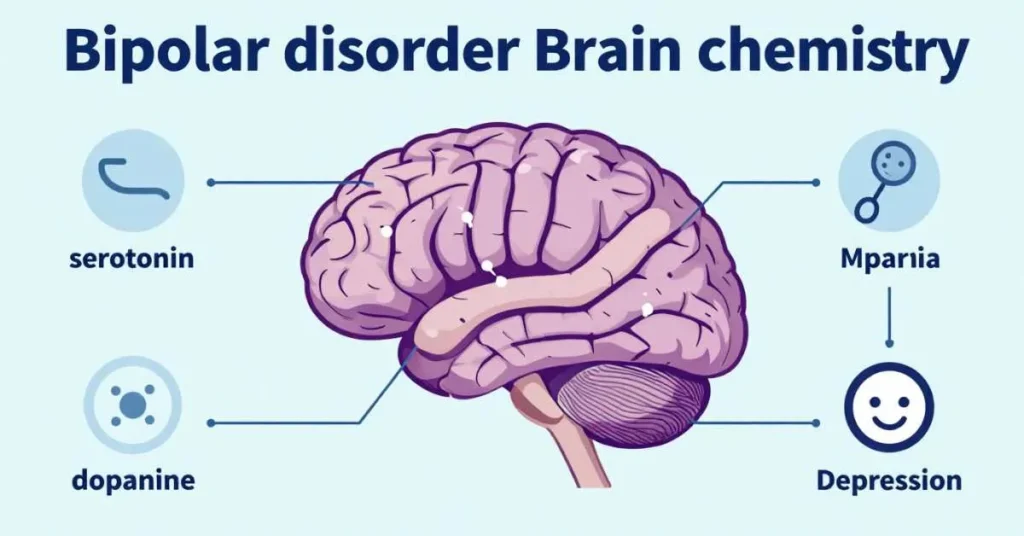
Brain chemistry plays a key role in bipolar disorder. Neurotransmitters are chemicals in the brain that send messages. If they are not balanced, they can change your mood. Changes in brain structure can also influence how emotions are processed.
Hormone changes can cause mood swings, and not sleeping well can make both high and low moods worse. Knowing that bipolar disorder is caused by the brain and body, not by a person’s choices, is important. This helps people follow treatment and take medicine to feel better and stay healthy.
How Bipolar Disorder is Diagnosed
Diagnosis requires evaluation by a mental health professional or psychiatrist using:
- DSM-5 criteria
- Detailed medical and mental health history
- Observation of mood swings over time
- Mood tracking charts or questionnaires
A proper clinical diagnosis differentiates bipolar disorder from depression, ADHD, or other conditions. Early diagnosis allows therapy, medication, and lifestyle changes to work effectively.
How Bipolar Disorder Affects Daily Life
Bipolar disorder can affect:
- Relationships: Mood swings may strain family and friends
- Work and school: Productivity fluctuates with mood episodes
- Daily functioning: Tasks, routine management, and self-care can be challenging
With medicine, help from support groups, and healthy daily habits, people with bipolar disorder can live steady and happy lives.
Daily Coping Strategies for Living With Bipolar Disorder
Managing bipolar disorder daily involves:
- Maintaining a sleep routine
- Healthy diet and regular exercise
- Stress management and mindfulness techniques
- Routine management for tasks and responsibilities
- Joining support groups for guidance and encouragement
These tips can help calm mood swings, make your mind feel better, and keep you healthy.
Treatment Options
Treatment for bipolar disorder includes:
Medications
- Mood stabilizers
- Antipsychotic drugs
- Antidepressants (carefully monitored)
Therapy
- Cognitive Behavioral Therapy (CBT)
- Psychotherapy
- Family-focused therapy
Lifestyle Management
- Sleep routine
- Healthy diet
- Regular exercise
- Stress management
- Participation in support groups
Combining medication, therapy, and lifestyle changes stabilizes mood swings and improves daily functioning.
Can Bipolar Disorder Be Managed Long-Term?
Bipolar disorder is chronic, but consistent treatment allows for long-term management. You can stop serious mood episodes by noticing early warning signs, taking your medicine, going to therapy, and keeping a daily routine. Support from family, friends, and support groups strengthens mental wellness and psychological health.
Living With Someone Who Is Bipolar
Supporting a loved one requires:
- Empathy and patience
- Encouraging therapy and medication adherence
- Avoiding judgment and negative labeling
- Maintaining healthy boundaries
- Practicing self-care to prevent caregiver burnout
Understanding mood highs and lows helps people get along better and feel happier with their friends and family.
Common Myths About Bipolar Disorder
- It is not just moodiness
- People with bipolar disorder are not dangerous
- Medications stabilize mood and do not change personality
- People with bipolar disorder can lead normal lives
- Bipolar disorder does not resolve without long-term treatment
When to Seek Professional Help
Seek help if:
- Mood swings disrupt daily life or relationships
- Symptoms include mania, hypomania, or depression
- Thoughts of self-harm occur
- Lifestyle strategies alone do not manage symptoms
Early intervention by a mental health professional improves outcomes and quality of life.
FAQs
Q1: Is bipolar disorder a mental illness?
Yes. It is a medically recognized mood disorder affecting emotional regulation and mental wellness.
Q2: Can bipolar disorder go away on its own?
No. It is a chronic condition requiring long-term treatment and management.
Q3: Can someone be mildly bipolar?
Yes. Conditions like cyclothymic disorder involve milder but impactful symptoms.
Q4: Is bipolar disorder genetic?
Genetics play a role, but brain chemistry, stress, and environment also contribute.
Q5: How is bipolar different from depression?
Bipolar includes manic or hypomanic episodes, whereas depression does not.
Final Thoughts
Bipolar disorder is a long-term mental health condition. It is not a weakness. With medicine, therapy, healthy habits, and support, people with bipolar disorder can live steady and happy lives. Learning about what it means to be bipolar helps people stay mentally healthy, understand feelings, and show care. It also reduces stigma and helps support those who have this condition.
ClickHere To Read About: What Does MFS Mean? Slang, Text & Professional Guide

Hello! I’m Clara Lexis, creator of Meanpedia.com. I specialize in breaking down words, phrases, and idioms so that anyone can understand and enjoy the beauty of English. My goal? Making language approachable, fun, and meaningful, one word at a time.