What Does a Blue Alert Mean? Quick Definition:
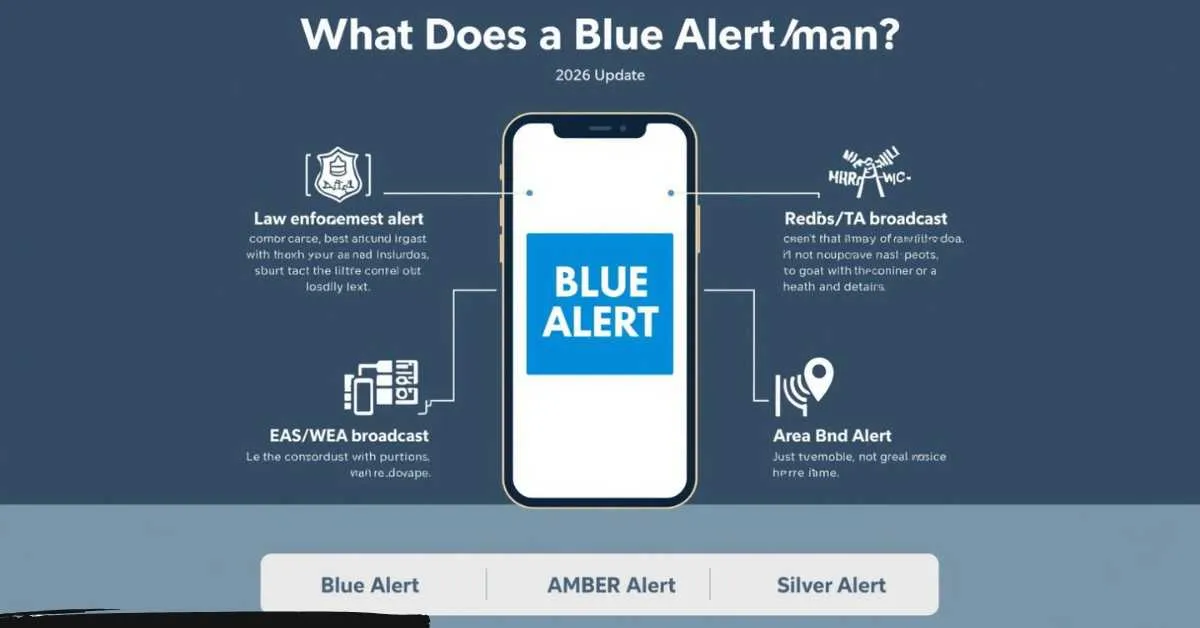
A Blue Alert is a public safety message that helps police find a dangerous suspect after an officer is killed, seriously hurt, goes missing, or faces a credible threat. In the United States, it can reach you through phone alerts and TV/radio warning systems.
Your phone screams. A big message appears. You see “Blue Alert.” Your first thought is simple: what does a blue alert mean, and are you in danger?
This guide explains the blue alert meaning in plain words. You’ll learn why the alert hit your phone, what to do right now, and how it compares to an AMBER Alert or Silver Alert.
We also include a full update on how alerts are changing.
What does a blue alert mean?
In the United States, a Blue Alert is a law enforcement alert. It is linked to a serious event involving an officer, such as:
- An officer is killed or seriously injured
- An officer is missing in connection with duty
- A suspect poses a credible, urgent threat to officers
The United States Department of Justice (DOJ) runs the National Blue Alert Network to speed up the sharing of key details with police, media, and the public.
Many law enforcement groups have supported the program, including the National Sheriffs’ Association.
What a Blue Alert usually includes
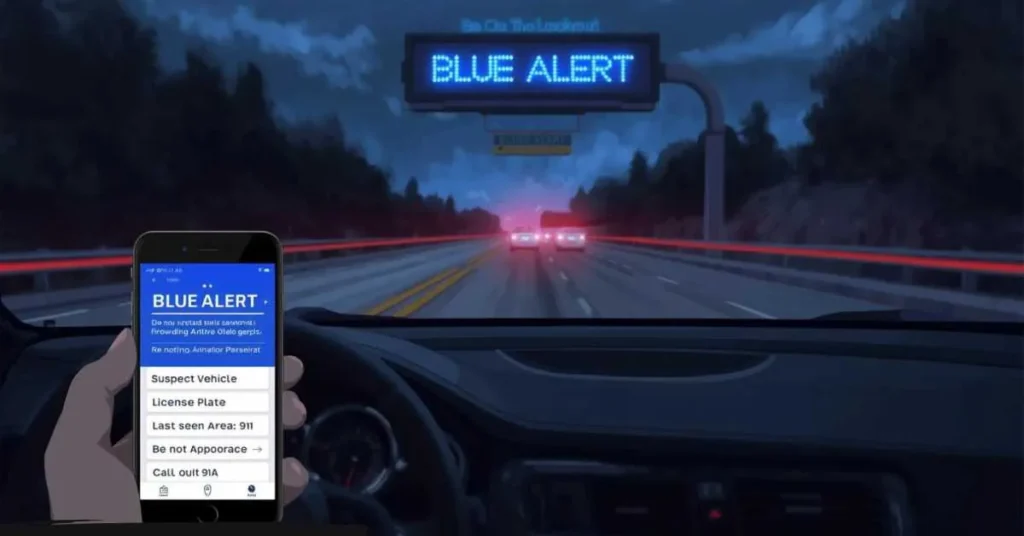
A Blue Alert often gives details you can use to recognize a suspect safely:
- Person description (age, height, clothes)
- Vehicle details (make, model, color)
- License plate (if known)
- Last seen area and direction
- A clear warning like “Do not approach”
- A number to call (often 911)
Real-life example of Blue Alert Case
In Texas, a Blue Alert was issued for Benjamin Hanil Song in July 2025 after an ambush outside an ICE detention facility reportedly wounded a police officer, according to CBS News Texas.
This is why the system exists: to push out suspect details fast, while the case is still active.
How a Blue Alert reaches your phone (and why it’s so loud)
A Blue Alert may arrive through a public safety notification system that includes:
1) Wireless Emergency Alerts (WEA)
Wireless Emergency Alerts (WEA) are emergency messages that are sent to phones in a target area. The Federal Communications Commission (FCC) explains WEA as a public alerting system for mobile devices.
WEA often uses a cell broadcast system, which means the message is broadcast from nearby towers to many phones at once (not sent like a normal text). FEMA’s WEA overview describes how the system delivers alerts to mobile devices.
2) Emergency Alert System (EAS)
Blue Alerts can also be shared through the Emergency Alert System for TV and radio. FEMA describes EAS as a national public warning system used by broadcasters and other partners.
The FCC, Blue Alerts, and the “BLU” code
The FCC added Blue Alerts to national alerting rules and created the BLU event code so systems can carry them in a standard way.
2026 update: Changes meant to reduce “alert fatigue”
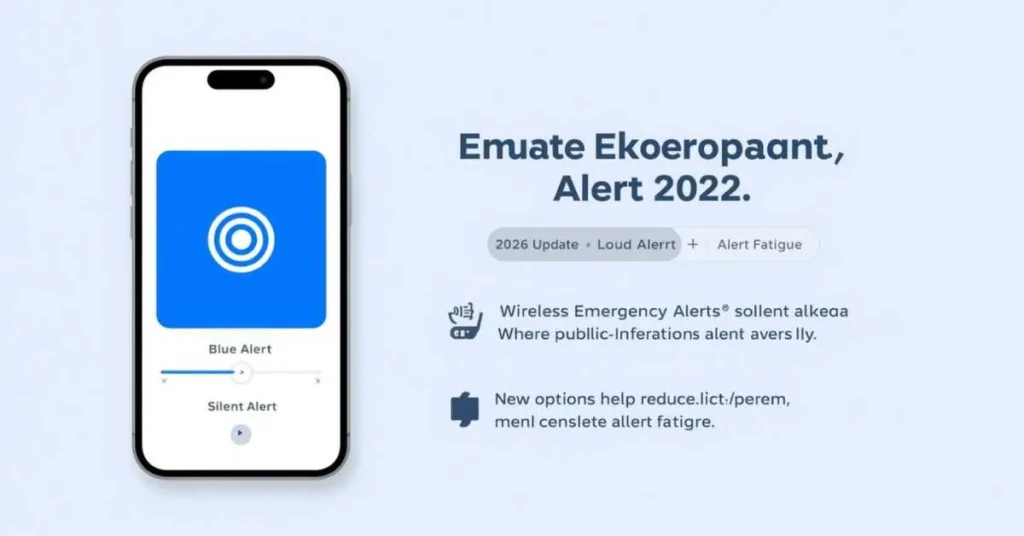
People often complain that alerts are too loud or too frequent. The FCC has addressed this.
A key shift: the FCC adopted rules to support “silent” Wireless Emergency Alerts, so alert senders can choose alerts that do not trigger the loud attention sound in some cases. The FCC fact sheet explains this is meant to reduce alert fatigue and opt-outs.
Also, in January 2026, the Federal Register posted new compliance/effective-date details for parts of WEA/EAS rule updates, showing the system continues to evolve.
Why did I get a Blue Alert?
If you searched “why did I get a blue alert”, here are many common reasons:
- You were inside the alert area
- You were near the edge (tower coverage is not perfect)
- You were traveling when it happened
- Your device settings allow public safety alerts
NOAA’s WEA explainer notes that these alerts come from authorized agencies through your wireless carrier.
Blue Alert on phone: iPhone vs Android (what it looks like)
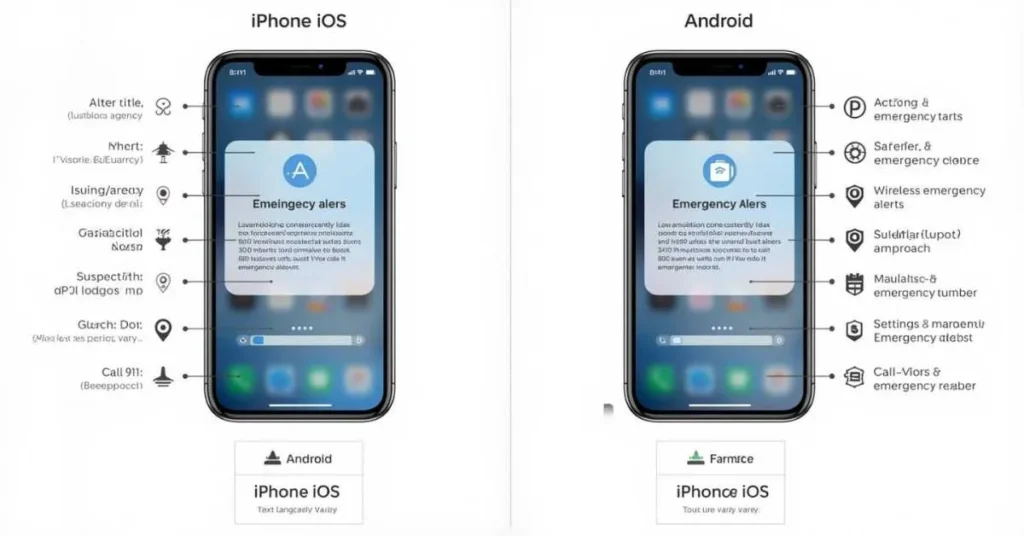
A Blue Alert can look a bit different depending on your device:
On iPhone
- It appears as a full-screen emergency message or a loud notification
- You can usually find alert options in Settings → Notifications → Emergency Alerts (wording may vary by iOS version)
On Android
- It may appear as a loud pop-up with a siren tone
- Settings are often under Settings → Safety & emergency or Notifications → Wireless emergency alerts (menu names vary by brand)
Tip: Use your Settings search bar and type “emergency alerts”.
What to do when you get a Blue Alert (safe steps)
Do not guess. Do not chase. Use these steps:
- Read the key details fast
Look for suspect, car, plate, and “last seen” area. - Do not approach
Treat the person as dangerous. - If you have real info, report it
Call 911 (or the number in the alert). Share:
- Your location
- Direction of travel
- Vehicle/plate details
- Stay aware in the area
Lock doors. Avoid unnecessary travel until updates arrive.
Are Blue Alerts in all states?
Not yet.
The DOJ COPS Office says there are currently 37 states with Blue Alert plans.
Colorado’s Bureau of Investigation also states there are 37 states with Blue Alert programs.
So, depending on where you live, you may see Blue Alerts often, rarely, or not at all.
History of the Blue Alert program\
Here’s the simple story:
- Early state programs began before there was a national network.
- In 2015, Congress passed the Rafael Ramos and Wenjian Liu National Blue Alert Act, named for two NYPD officers killed in a 2014 ambush. Colorado’s official program page explains this history and purpose.
- In 2017, the DOJ announced the National Blue Alert Network to help speed adoption and share alerts more widely.
Controversies and public criticism
Blue Alerts save time in urgent cases. But they also bring debate.
1) “Why did it wake the whole state?”
Large-area alerts can wake up millions. In 2024, a Texas Blue Alert sparked public pushback and many complaints, including complaints sent to the FCC, according to Spectrum Local News.
2) Alert fatigue (people opt out)
The FCC’s own WEA documents discuss “alert fatigue” and note that loud overnight alerts can push people to turn alerts off.
That is one reason the FCC moved toward optional silent alerts in its WEA rule updates.
Blue Alert vs AMBER Alert vs Silver Alert (quick comparison)
| Alert | Main goal | Best action for you |
|---|---|---|
| Blue Alert | Help find a dangerous suspect tied to harm/threat against an officer | Don’t approach; report real sightings |
| AMBER Alert | Help recover an abducted child | Watch for details; call authorities |
| Silver Alert | Help find a missing older adult or vulnerable person (rules vary) | Watch for details; call authorities |
WEA guidance from the FCC covers how public alerts like these are delivered to phones.
Internal link ideas (for your site):
- AMBER Alert guide:
/amber-alert-meaning/ - Silver Alert guide:
/silver-alert-meaning/ - Wireless Emergency Alerts explainer:
/wireless-emergency-alerts-wea/ - Emergency Alert System explainer:
/emergency-alert-system-eas/
Can you turn off Blue Alerts?
Many phones let you manage WEA categories, but options differ by device and carrier. The FCC provides consumer guidance on WEA and how it works.
Try this:
- Open Settings
- Search: “Emergency alerts” or “Wireless emergency alerts”
- Turn off only the categories you do not want (if available)
If your alert came from a third-party app, change settings inside that app.
FAQ:
1) Is a Blue Alert only in the United States?
Mostly, yes. The best-known system is U.S.-based and tied to law enforcement.
2) Does a Blue Alert mean the suspect is near me?
Not always. It means you are in the broadcast area, which can be wide.
3) Can I ignore it?
You can choose not to act, but read it. You might spot a key detail.
4) Will my phone get tracked if I receive it?
WEA uses area broadcasts. It is not the same as an app tracking your GPS.
5) Why are these alerts so loud at night?
Many WEA alerts use a loud attention signal. The FCC has worked on options like “silent alerts” to reduce fatigue.
6) What should I do if I think I saw the suspect vehicle?
Do not approach. Call authorities and share facts only.
7) What is the difference in “blue alert vs amber alert”?
Blue Alerts focus on suspects tied to harm/threat against officers; AMBER Alerts focus on abducted children.
8) Are Blue Alerts in all states?
No. The DOJ COPS Office reports 37 states have plans.
Conclusion:
A Blue Alert is meant to spread urgent details fast. In the United States, it is part of a DOJ-backed network that supports law enforcement during the most serious officer-related incidents.
Read Also About This Post: What Does Fiat Mean? A Simple Guide to Fiat Money

Hi, I’m Evan Lexor, the voice behind Meanpedia.com. I break down English words, slang, and phrases into clear, simple meanings that actually make sense. From modern internet terms to everyday expressions, my goal is straightforward: help you understand English better, faster, and with confidence, one word at a time.