Featured Snippet Answer
A Blue Alert is an emergency notification issued when a law enforcement officer has been killed, seriously injured, or gone missing in the line of duty and the suspect is still at large. It asks the public to watch for the suspect — sharing a description, vehicle, or license plate — and to report sightings to police immediately.
Key Takeaways
- A Blue Alert is a public emergency warning issued after a violent attack on a law enforcement officer, when the suspect is still free.
- It can also go out when an officer goes missing on duty or when there is a credible, imminent threat against officers.
- Alerts reach you through your phone (Wireless Emergency Alerts), TV, radio, and highway message signs.
- If you receive one, note the suspect and vehicle details, then call 911 or the listed tip line if you see something. Never approach the suspect yourself.
- A Blue Alert is different from an AMBER Alert (abducted children) and a Silver Alert (missing seniors).
What Is a Blue Alert?
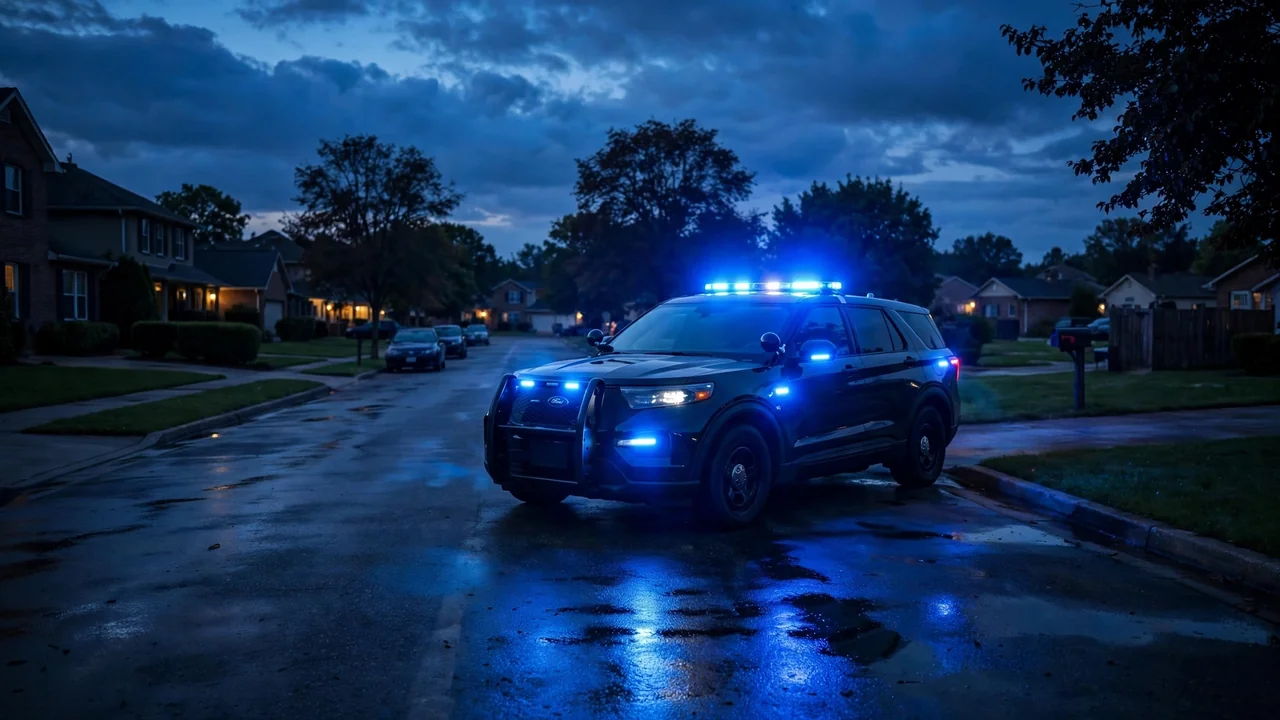
A Blue Alert is part of the United States’ public emergency warning system. When a law enforcement officer is killed or seriously hurt on duty — and the person responsible is still on the loose — agencies can activate a Blue Alert to warn millions of people within minutes.
The goal is simple: turn the public into extra eyes and ears. The alert shares whatever identifying details investigators have — the suspect’s description, vehicle, or license plate number — so citizens can spot the suspect and report it. At the same time, it warns nearby communities that someone who has already attacked an officer may still be dangerous.
Blue Alerts travel through the Emergency Alert System (TV and radio), Wireless Emergency Alerts (the loud tone on your cell phone), and electronic highway signs. Because the situation is urgent, these alerts override your phone’s silent mode — which is why so many people first learn what a Blue Alert is at 2 a.m.
What Triggers a Blue Alert?
Agencies can’t issue a Blue Alert for just any crime. Strict criteria must be met, and they are similar across states:
- An officer was killed, seriously injured, assaulted with a deadly weapon, or is missing in the line of duty. Some states also allow a Blue Alert when there is an imminent and credible threat against an officer.
- The suspect is still at large. If the suspect has already been caught, there is no need for a public warning.
- There is useful descriptive information to share — a name, a physical description, a vehicle description, or a license plate number the public can act on.
- The suspect poses a threat to the public or other law enforcement officers, as determined by the investigating agency.
- Going public could help — authorities must believe broadcasting the information could speed up the capture or prevent further harm.
How Criteria Differ by State
The five criteria above are the national template, but states adapt them:
- California requires a detailed vehicle or license-plate description before issuing the alert.
- Georgia requires the suspect to be entered into the FBI’s NCIC database.
- South Dakota broadcasts Blue Alerts over its existing AMBER Alert network rather than a separate system.
According to the DOJ COPS Office, 37 states now have Blue Alert plans.
Once the suspect is apprehended — or officers determine the threat has passed — the Blue Alert is canceled through the same channels.
How Do You Receive a Blue Alert?
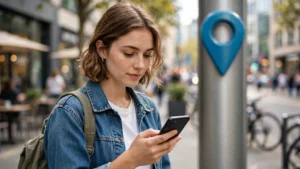
Most people encounter Blue Alerts on their phones. They arrive as Wireless Emergency Alerts (WEA) — the same system behind AMBER Alerts and severe weather warnings — with a distinctive loud tone that overrides silent mode. You don’t need to sign up; alerts go automatically to phones in the affected area.
Blue Alerts also go out through:
- TV and radio, via the Emergency Alert System
- Highway message signs, displaying suspect or vehicle details
- Social media and news outlets, which often share active alerts
Because alerts are geo-targeted, you may receive one while traveling far from home — the system warns everyone physically near the danger.
Beyond the automatic alerts, some states offer opt-in sign-ups for text or email notifications — for example, Georgia residents can register through the state’s AlertNet system. Availability varies by state, so check your state emergency management agency’s website.
What Should You Do When You Get a Blue Alert?
Stay calm and follow these steps:
- Read the full message. Note the suspect’s description, vehicle details, and license plate number.
- Stay aware of your surroundings. Lock your doors and be alert, especially if you are driving in the area mentioned.
- Do not approach the suspect. A person wanted under a Blue Alert is considered dangerous — leave any confrontation to law enforcement.
- Report sightings immediately. Call 911 or the tip line listed in the alert if you see the suspect or vehicle. Even small details can help.
- Share responsibly. You can forward the alert to family nearby, but don’t spread unverified rumors on social media.
The alert is informational — it asks for your attention, not your intervention.
Blue Alert vs. AMBER Alert vs. Silver Alert
The phone alerts look alike, which is why people mix them up. Here is how they differ:
| Alert type | Issued when… | Who it protects |
|---|---|---|
| Blue Alert | A law enforcement officer was killed, seriously injured, or went missing on duty, and the suspect is at large | Officers and the public, by catching a dangerous suspect |
| AMBER Alert | A child under 18 was abducted and is in danger | The abducted child |
| Silver Alert | A senior (often 60+) with dementia, Alzheimer’s, or a cognitive disability goes missing | The missing senior |
All three use the same delivery systems — phones, TV, radio, and highway signs — and all three ask the public for help. The key difference is who is in danger and why.
The History of the Blue Alert System
The Blue Alert system started at the state level. Georgia created the first Blue Alert legislation in 2010, designing it to speed the capture of violent criminals who kill or seriously injure officers. Other states followed with their own versions.
The push for a national system came after tragedy. In December 2014, two New York City police officers — Rafael Ramos and Wenjian Liu — were ambushed and killed in their patrol car. In response, Congress passed the Rafael Ramos and Wenjian Liu National Blue Alert Act of 2015, named in the officers’ honor, directing the Department of Justice to help states build compatible Blue Alert networks.
Then, in December 2017, the Federal Communications Commission created a dedicated Blue Alert event code within the Emergency Alert System, giving agencies a standardized way to send Blue Alerts through TV, radio, cable, satellite — and Wireless Emergency Alerts to cell phones.
Today, most states run their own Blue Alert programs under state law.
Blue Alert vs. Code Blue: Don’t Confuse Them
A Blue Alert has nothing to do with a hospital “Code Blue.” In hospitals, “Code Blue” is the emergency code announced when a patient needs immediate resuscitation — usually during cardiac arrest. It is an internal hospital paging code, not a public warning. If your phone blares with a Blue Alert, it is a law-enforcement emergency in your area — not a hospital announcement.
Frequently Asked Questions
What is a Blue Alert on my phone?
A Blue Alert on your phone is a Wireless Emergency Alert warning you that a suspect who attacked a law enforcement officer is at large in your area. It includes a description of the suspect or their vehicle and asks you to report sightings to police. It overrides silent mode because the situation is urgent, and you receive it because you are physically near the danger.
Why did I get a Blue Alert in the middle of the night?
Blue Alerts go out the moment the criteria are met, regardless of the hour — a dangerous suspect doesn’t wait for morning. The system targets phones in the area around the incident, so if you were nearby, your phone sounded. That is exactly why the alert overrides silent mode: investigators need the public’s help immediately.
What is the difference between a Blue Alert and an AMBER Alert?
An AMBER Alert is issued for an abducted child under 18 believed to be in danger. A Blue Alert is issued when a suspect who killed, seriously injured, or threatened a law enforcement officer is still at large. Both use the same phone alert system and ask for the public’s help, but they cover completely different emergencies.
How do I turn off Blue Alerts on my phone?
On iPhone, go to Settings > Notifications, scroll down, and toggle Government Alerts. On Android, look under Settings > Safety & Emergency > Wireless Emergency Alerts. Experts recommend leaving them on, though — these alerts are rare and exist to keep you safe.
How long does a Blue Alert stay active?
A Blue Alert stays active until the suspect is apprehended, the missing officer is found, or authorities determine the threat has passed. It is then canceled through the same channels. Most alerts resolve within hours, though complex manhunts can keep one active longer.
What does a Blue Alert sound like?
Blue Alerts use the Wireless Emergency Alert attention signal — a loud, distinctive alarm tone plus vibration that overrides silent mode. It is the same sound family as AMBER Alerts and severe-weather warnings. To check your settings: on iPhone, go to Settings > Notifications > Government Alerts; on Android, Settings > Safety & emergency > Wireless emergency alerts.
How many states have Blue Alert?
37 states have Blue Alert plans, according to the DOJ COPS Office’s National Blue Alert Network. The federal backbone is the 2015 Rafael Ramos and Wenjian Liu National Blue Alert Act, named for two NYPD officers killed in the line of duty.
Conclusion
A Blue Alert is one of the most urgent warnings your phone can deliver: someone who attacked a law enforcement officer is at large in the area, and police need the public’s help. Now you know what triggers it, how it differs from AMBER and Silver Alerts, and what to do when one sounds. Read it, remember the details, and let law enforcement handle the rest. For official guidance, visit the National Blue Alert Network.

Hello! I’m Clara Lexis, creator of Meanpedia.com. I specialize in breaking down words, phrases, and idioms so that anyone can understand and enjoy the beauty of English. My goal? Making language approachable, fun, and meaningful, one word at a time.