Have you ever heard someone say, “Be there or be square” and wondered what it really means? This is a very common English idiom. People use it in casual conversations, friendly invitations, and American English slang.
At first, it may seem confusing. Literally, “square” is a shape. But in this slang expression, it has a very different meaning. The phrase is used to encourage someone to attend an event. It is fun, informal, and playful.
In this article, you will learn:
- The meaning of “be there or be square”
- The literal and figurative meanings
- How to use it in daily life English
- The origin and history
- Examples, similar idioms, and tips for ESL learners
By the end, you will know how to use this idiomatic expression naturally in conversation.
What Does “Be There or Be Square” Mean?
“Be there or be square” is an idiomatic expression that means you should attend an event, or you might miss out. It is informal language, mostly used in friendly invitations and social gatherings.
- Literal meaning: “Be at the place” and “square” as a shape
- Figurative meaning: “Square” is slang for someone uncool or boring
So, when someone says, “be there or be square,” they mean:
“Come join the party or you will miss the fun.”
It is often used in spoken English, movies, TV shows, and even daily life English. It is not rude—it’s friendly and playful.
Literal vs Figurative Meaning of “Be There or Be Square”
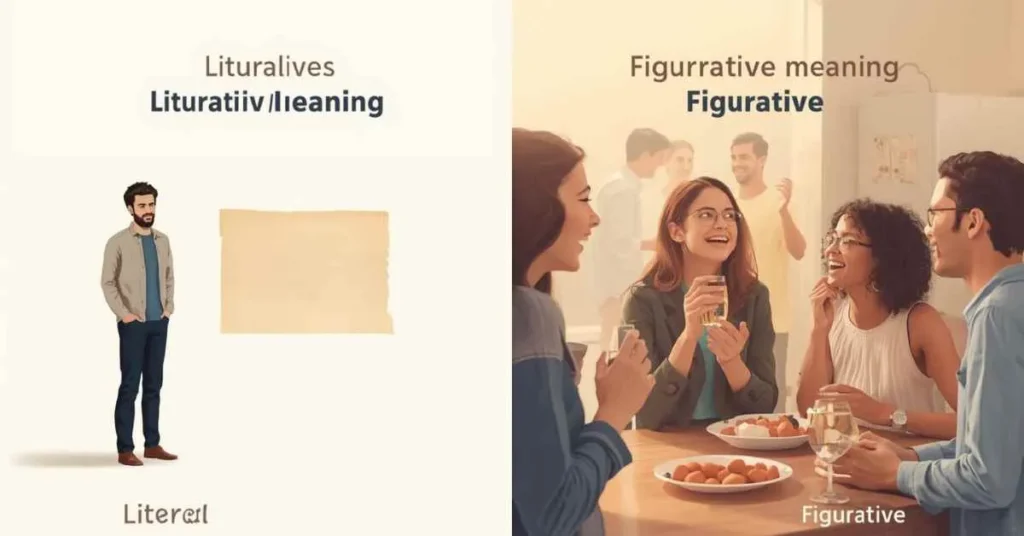
Literal Meaning
If you take it literally:
- Be there = Arrive at a place
- Square = Four-sided shape
Literally, it makes no sense. You don’t actually become a square.
Figurative Meaning
In American English idioms, square is someone who is boring or not socially active.
- “Be there or be square” = Join the event, or you may seem uncool.
- It is a social invitation phrase, often friendly and humorous.
This phrase interpretation shows how language evolution and slang expressions shape modern English.
When and How to Use “Be There or Be Square”
This common saying is used in informal speech and casual conversation.
Best Situations
- Parties: “We’re having a birthday party tonight. Be there or be square!”
- Movie nights: “Come over at 7 PM. Be there or be square!”
- Friendly hangouts: “All friends are going to the beach. Be there or be square!”
Usage Tips
- Keep the tone playful and friendly
- Use it with friends, family, or peers
- Avoid formal events or professional emails
This makes the idiom fun and easy to use in daily life English.
Tone and Intent Behind the Phrase of “Be There or Be Square”

The tone is playful, not bossy. It lightly nudges someone to join a social gathering.
- Friendly peer pressure: Encourages attendance without being rude
- Humor: Lightly calls someone a “square”
- Social inclusion: Makes people feel part of the group
Using this idiom properly shows you understand American English idioms and informal language.
Real-Life Example Sentences of “Be There or Be Square”

Here are some usage examples you can try:
| Situation | Example Sentence |
|---|---|
| Party Invitation | “We are all meeting at Jenna’s party. Be there or be square!” |
| Movie Night | “Don’t forget the movie night at my place. Be there or be square!” |
| Game Night | “All your friends are joining the game night. Be there or be square!” |
| Casual Hangout | “Barbecue this weekend. Be there or be square!” |
These real-life examples make it easy for ESL learners to practice and understand contextual meaning.
Origin and History of “Be There or Be Square”
The phrase comes from American slang in the 1940s–1950s.
- Square: Slang for someone boring or uncool
- History of phrase: Popular among jazz musicians, teens, and pop culture
- Cultural background: Represents informal language evolution in American English
It became a classic idiom and is still taught in English learning books and ESL courses.
Similar Idioms and Related Expressions of “Be There or Be Square”
If you like “be there or be square,” you might also like these related idioms:
- Don’t miss it – Attend, don’t skip
- Show up on time – Be punctual
- Be present – Participate actively
- Don’t be late – Casual reminder
- You should come – Friendly suggestion
These idioms with examples help expand vocabulary for spoken English practice.
Common Mistakes Learners Make of “Be There or Be Square”
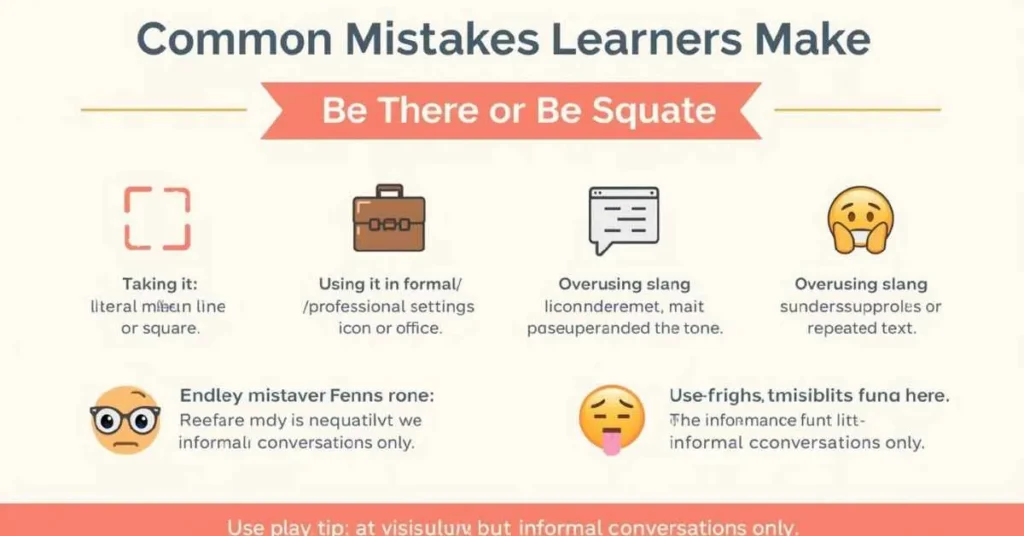
- Taking it literally – Thinking “square” means the shape
- Using it formally – Not suitable for professional emails or meetings
- Overusing slang – Can sound unnatural if repeated too much
- Misunderstanding tone – Should be friendly, not rude
Avoiding these mistakes ensures natural usage in daily life English.
Is “Be There or Be Square” Still Used Today?
Even though it’s slightly old-fashioned, the idiom is still recognized:
- Casual conversation: Friends, family, or social events
- Pop culture: TV shows, movies, and nostalgic references
- English learning: ESL textbooks often include it
Younger people may use phrases like “don’t miss out” or “you have to come”, but using this idiom shows knowledge of classic American slang.
FAQs About “Be There or Be Square”
1. What does “be there or be square” mean?
It means you should attend an event or gathering, or you may miss out.
2. Is it rude?
No, it is friendly, informal, and playful.
3. Can I use it at work?
It’s best for casual conversation, not formal/professional settings.
4. Where did it come from?
It originated in American slang during the 1940s–1950s.
5. Are there similar phrases?
Yes: “Don’t miss it,” “Show up on time,” “Be present,” “You should come.”
Final Summary
“Be there or be square” is a fun, informal idiom used to encourage someone to attend an event or join a social gathering.
- Meaning: Attend, or you will miss out
- Tone: Playful, friendly, humorous
- Usage: Informal, casual conversation
- Origin: American slang, 1940s–1950s
- Modern relevance: Still recognized, especially in ESL learning and American pop culture
By using this idiom correctly, you can speak naturally, sound friendly, and understand American idioms better.
Click Here To Read More: What Does Product Mean in Math? Easy Guide with Examples

Hello! I’m Clara Lexis, creator of Meanpedia.com. I specialize in breaking down words, phrases, and idioms so that anyone can understand and enjoy the beauty of English. My goal? Making language approachable, fun, and meaningful, one word at a time.